HELP SAVE THE WORLD TODAY
EDUCATION IS THE MOST POWERFUL WEAPON WHICH YOU CAN USE TO CHANGE THE WORLD.
RICH_SCI_DATES
I LOVE YOU BECAUSE YOU'RE AWESOME JUST LIKE ME!
GIVE'S YOU THE BETTER...
FRIENDSHIP... IS NOT SOMETHING YOU LEARN IN SCHOOL. BUT IF YOU HAVEN'T LEARNED THE MEANING OF FRIENDSHIP, YOU REALLY HAVEN'T LEARNED ANYTHING.
DO YOU KNOW...
THE PERSON WHO YOU'RE WITH MOST IN LIFE IS YOURSELF AND IF YOU DON'T LIKE YOURSELF YOU'RE ALWAYS WITH SOMEBODY YOU DON'T LIKE.
MAKING IT HAPPEN
WHERE JUSTICE IS DENIED, WHERE POVERTY IS ENFORCED, WHERE IGNORANCE PREVAILS, AND WHERE ANY ONE CLASS IS MADE TO FEEL THAT SOCIETY IS AN ORGANIZED CONSPIRACY TO OPPRESS, ROB AND DEGRADE THEM, NEITHER PERSONS NOR PROPERTY WILL BE SAFE.
Wednesday, January 10, 2018
Taiwanese police give cyber-security quiz winners infected devices
Sunday, December 31, 2017
NASA warning: ‘Unseen’ asteroid set to skim Earth
EXCLUSIVE: NASA is closely monitoring the arrival of a previously unseen asteroid that is set to brush past Earth today at 21,362 miles per hour.
Now called asteroid2017 YZ4, it will come past us between the Earth and the Moon at a distance of just 139,433 miles.
The Moon is 238,000 miles from Earth, and this pass is considered a cat’s whisker in astronomical terms.
NASA considers and monitors anything which comes within six million miles of our planet as a near earth asteroid.
NASA spokesman
Wednesday, August 16, 2017
Mystery of how first animals appeared on Earth solved
Research has solved the mystery of how the first animals appeared on Earth, a pivotal moment for the planet without which humans would not exist.
Wednesday, July 12, 2017
Creating music by thought alone
Newly-developed hands-free musical instrument now allows people to make music with their minds.
Neurologists have created a hands-free, thought-controlled musical instrument. They hope that this new instrument will help empower and rehabilitate patients with motor disabilities such as those from stroke, spinal cord injury, amputation, or amyotrophic lateral sclerosis (ALS).
Saturday, July 1, 2017
Cocoa and chocolate are not just treats -- they are good for your cognition
Cocoa can be seen as a dietary supplement to protect human cognition and can counteract different types of cognitive decline.
Researchers have examined the available literature for the effects of acute and chronic administration of cocoa flavanols on different cognitive domains. It turns out that cognitive performance was improved by a daily intake of cocoa flavanols.
A balanced diet is chocolate in both hands -- a phrase commonly used to justify ones chocolate snacking behavior. A phrase now shown to actually harbor some truth, as the cocoa bean is a rich source of flavanols: a class of natural compounds that has neuroprotective effects.
In their recent review published in Frontiers in Nutrition, Italian researchers examined the available literature for the effects of acute and chronic administration of cocoa flavanols on different cognitive domains. In other words: what happens to your brain up to a few hours after you eat cocoa flavanols, and what happens when you sustain such a cocoa flavanol enriched diet for a prolonged period of time?
Although randomized controlled trials investigating the acute effect of cocoa flavanols are sparse, most of them point towards a beneficial effect on cognitive performance. Participants showed, among others, enhancements in working memory performance and improved visual information processing after having had cocoa flavanols. And for women, eating cocoa after a night of total sleep deprivation actually counteracted the cognitive impairment (i.e. less accuracy in performing tasks) that such a night brings about. Promising results for people that suffer from chronic sleep deprivation or work shifts.
It has to be noted though, that the effects depended on the length and mental load of the used cognitive tests to measure the effect of acute cocoa consumption. In young and healthy adults, for example, a high demanding cognitive test was required to uncover the subtle immediate behavioral effects that cocoa flavanols have on this group.
The effects of relatively long-term ingestion of cocoa flavanols (ranging from 5 days up to 3 months) has generally been investigated in elderly individuals. It turns out that for them cognitive performance was improved by a daily intake of cocoa flavanols. Factors such as attention, processing speed, working memory, and verbal fluency were greatly affected. These effects were, however, most pronounced in older adults with a starting memory decline or other mild cognitive impairments.
And this was exactly the most unexpected and promising result according to authors Valentina Socci and Michele Ferrara from the University of L'Aquila in Italy. "This result suggests the potential of cocoa flavanols to protect cognition in vulnerable populations over time by improving cognitive performance. If you look at the underlying mechanism, the cocoa flavanols have beneficial effects for cardiovascular health and can increase cerebral blood volume in the dentate gyrus of the hippocampus. This structure is particularly affected by aging and therefore the potential source of age-related memory decline in humans."
So should cocoa become a dietary supplement to improve our cognition? "Regular intake of cocoa and chocolate could indeed provide beneficial effects on cognitive functioning over time. There are, however, potential side effects of eating cocoa and chocolate. Those are generally linked to the caloric value of chocolate, some inherent chemical compounds of the cocoa plant such as caffeine and theobromine, and a variety of additives we add to chocolate such as sugar or milk."
Nonetheless, the scientists are the first to put their results into practice: "Dark chocolate is a rich source of flavanols. So we always eat some dark chocolate. Every day."
Although randomized controlled trials investigating the acute effect of cocoa flavanols are sparse, most of them point towards a beneficial effect on cognitive performance. Participants showed, among others, enhancements in working memory performance and improved visual information processing after having had cocoa flavanols. And for women, eating cocoa after a night of total sleep deprivation actually counteracted the cognitive impairment (i.e. less accuracy in performing tasks) that such a night brings about. Promising results for people that suffer from chronic sleep deprivation or work shifts.
It has to be noted though, that the effects depended on the length and mental load of the used cognitive tests to measure the effect of acute cocoa consumption. In young and healthy adults, for example, a high demanding cognitive test was required to uncover the subtle immediate behavioral effects that cocoa flavanols have on this group.
The effects of relatively long-term ingestion of cocoa flavanols (ranging from 5 days up to 3 months) has generally been investigated in elderly individuals. It turns out that for them cognitive performance was improved by a daily intake of cocoa flavanols. Factors such as attention, processing speed, working memory, and verbal fluency were greatly affected. These effects were, however, most pronounced in older adults with a starting memory decline or other mild cognitive impairments.
And this was exactly the most unexpected and promising result according to authors Valentina Socci and Michele Ferrara from the University of L'Aquila in Italy. "This result suggests the potential of cocoa flavanols to protect cognition in vulnerable populations over time by improving cognitive performance. If you look at the underlying mechanism, the cocoa flavanols have beneficial effects for cardiovascular health and can increase cerebral blood volume in the dentate gyrus of the hippocampus. This structure is particularly affected by aging and therefore the potential source of age-related memory decline in humans."
So should cocoa become a dietary supplement to improve our cognition? "Regular intake of cocoa and chocolate could indeed provide beneficial effects on cognitive functioning over time. There are, however, potential side effects of eating cocoa and chocolate. Those are generally linked to the caloric value of chocolate, some inherent chemical compounds of the cocoa plant such as caffeine and theobromine, and a variety of additives we add to chocolate such as sugar or milk."
Nonetheless, the scientists are the first to put their results into practice: "Dark chocolate is a rich source of flavanols. So we always eat some dark chocolate. Every day."
Monday, May 1, 2017
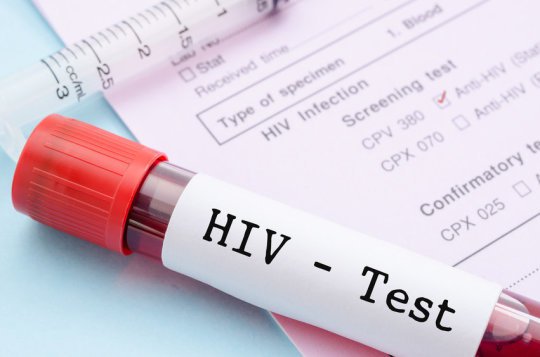
Gene editing strategy eliminates HIV-1 infection in live animals
A permanent cure for HIV infection remains elusive due to the virus's ability to hide away in latent reservoirs. But now, scientists show that they can excise HIV DNA from the genomes of living animals to eliminate further infection.
Tuesday, April 25, 2017
Mission control: Salty diet makes you hungry, not thirsty
![]() |
|
New studies show that salty food diminishes thirst while increasing hunger, due to a higher need for energy
We've all heard it: eating salty foods makes you thirstier. But what sounds like good nutritional advice turns out to be not true in the long run. In a study carried out during a simulated mission to Mars, an international group of scientists has found exactly the opposite to be true. 'Cosmonauts' who ate more salt retained more water, weren't as thirsty, and needed more energy.
What Your Opinion ?
Watching too much television could cause fatal blood clots
Spending too much time in front of the television could increase your chance of developing potentially fatal blood clots known as ve...